Evolution of the Medical Assistant Profession in Malaysia: A Journey Through Time
In the ever-evolving landscape of Malaysian healthcare, the role of medical professionals is crucial for the well-being of the population. While doctors, nurses, dentists, and pharmacists are well-recognized, the history and significance of the Medical Assistant profession often remain shrouded in mystery. This article aims to shed light on the historical journey of Medical Assistants in Malaysia, tracing their roots back to the early days of Penang.
| Dr James Hutton |
 |
| Sultan Muhammad Jiwa |
1. Penang's Historical Significance:
The story begins in 1786 when Penang, originally part of the Sultanate of Kedah, was ceded to the British East India Company by Sultan Muhammad Jiwa. Dr. James Hutton, accompanied by two Medical Assistants, Michael Cgaffe and Henry Warring, arrived with the British to oversee medical affairs. Their presence marked the inception of medical assistance in the region, playing a pivotal role in healthcare administration.
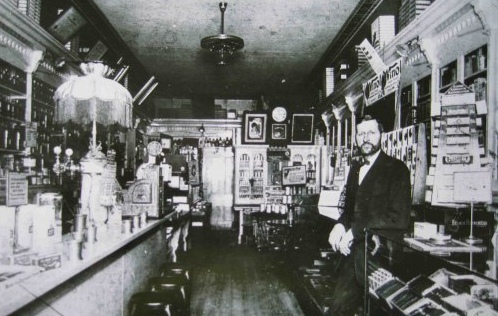 |
| Illustration of Apotekari Service in early 1980's |
2. Emergence of Medical Training:
As the British faced a shortage of medical staff, the need for local medical training became evident. In 1822, a Senior Surgeon proposed training local boys. The first trainees, James Ash, John Sutherland, James Isaiah, and William James Clyne, commenced training in 1823, eventually becoming the first batch of "Pembantu Apotekari" or Pharmacy Assistants.
3. Challenges and Transformations:
The challenges in recruiting and retaining medical staff led to the evolution of the training structure. In 1889, the title "Apotekari" shifted to "Sub Assistant Surgeon (Dressar)," further transforming to "Hospital Assistant" in 1936. The need for Hospital Assistants, especially in rural areas, elevated their status to a quasi-"doctor" among the local communities.
 |
| Formerly known as Sekolah Pembantu Perubatan originally started in Seremban Negeri Sembilan, and develop to 4 training's center within Malaysia. Recently known as Institut Latihan Kementerian Kesihatan Malaysia. |
4. Birth of Medical Schools:
Recognizing the shortage of medical professionals, Dr. Max F. Simon proposed the establishment of a medical school in 1889. The position of Apotekari transitioned to "Sub Assistant Surgeon" and laid the groundwork for medical education in the region. The term "Dressar" was replaced by "Hospital Assistant," marking a significant milestone.
5. Modernization and Recognition:
In 1985, the designation evolved once again to "Medical Assistant," aligning with the changing times. The qualification was upgraded to a full Diploma in 1998, signifying the professional recognition of Medical Assistants in Malaysia. In 2007, Medical Assistants were placed under the Integrated Service Scheme, allowing career progression to grade U54.

6. Inclusion of Women:
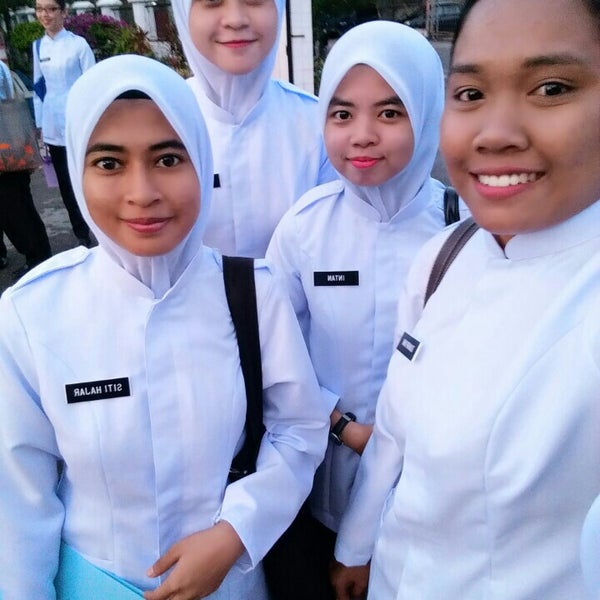
Traditionally associated with males, the Medical Assistant profession saw a groundbreaking shift in 2006 when the first group of female trainees enrolled in Kolej KIST, Kelantan. Their inclusion in the service officially began in 2010, breaking gender barriers and contributing to the diversification of the profession.
7. Beyond Healthcare Ministry:
The role of Medical Assistants extends beyond the Ministry of Health, reaching into various sectors such as Defense, Education, Prisons, and Police. They serve in public institutions and private enterprises, ensuring the health and safety of workers in diverse settings.
 |
| New operational Attire for Assistant Medical Officer in 2023 |
8. Upgrading
The journey of the Medical Assistant profession in Malaysia reflects a rich tapestry of evolution and adaptation. From its inception in Penang to its pivotal role in contemporary healthcare, Medical Assistants have been instrumental in delivering comprehensive medical care to the Malaysian populace. Notably, in recent years, the profession has undergone a nomenclature transformation and is now officially recognized as "Assistant Medical Officer." This change underscores the continuous evolution and recognition of the profession, reaffirming its crucial position within the framework of Malaysia's healthcare system. Moreover, there has been a symbolic shift in identity with the introduction of new uniforms, signifying the modernization and professionalization of the Assistant Medical Officer role.
Conclusion:
The history of the Medical Assistant profession in Malaysia is a testament to its resilience and adaptability. From its humble beginnings in Penang to its crucial role in modern healthcare, Medical Assistants have played a vital part in providing accessible and holistic medical care to the Malaysian population. As the profession continues to evolve, it remains an indispensable pillar in the nation's healthcare system.


Comments
Post a Comment